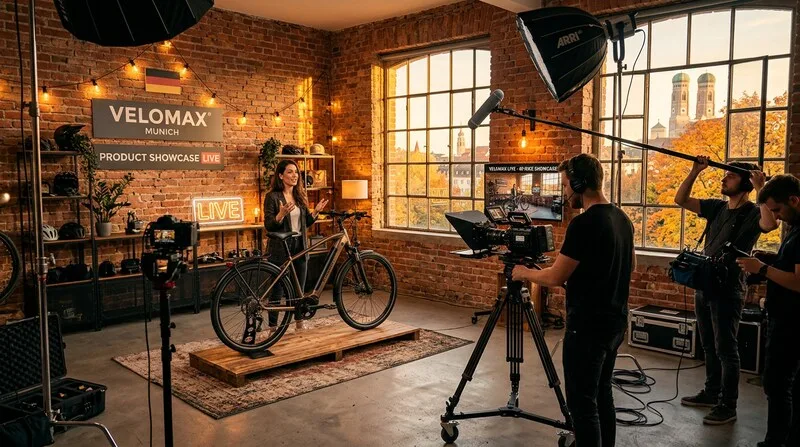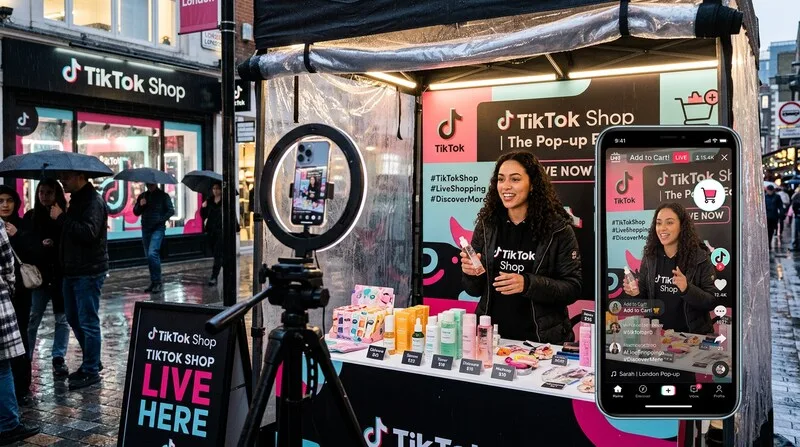
In the age of e-commerce, many brands forget the power of physical space. Yet 70 percent of all purchase decisions are made at the point of sale -- in the store, in front of the shelf, at the window display. Point of sale marketing is the art of perfecting the last meter before purchase.
The Window Display as Stage
A window display has three seconds to stop a passerby. The best window displays in the world tell stories.
Hermes
Hermes window displays are legendary. Each is a work of art -- handcrafted, thematic, often surreal. A Hermes window never just shows products. It shows a world. The lesson: the product isn't the star -- the story is.
Louis Vuitton
LV window displays are installations. Collaborations with artists like Yayoi Kusama and Takashi Murakami elevated window design to an art form. LV stores become selfie locations -- and every photo shared by passersby is free advertising.
In-Store Marketing: Engaging All Senses
Music
Background music measurably influences purchasing behavior. Slow music makes customers linger longer and buy more.

Scent
Scent marketing is its own discipline. Abercrombie & Fitch became famous for the pervasive scent in its stores. According to RetailDive, scent marketing can increase dwell time by up to 40 percent.
Lighting
Lighting is the most important design element in retail. The right fitting room lighting can increase purchase rates by 20 percent.
Digital Signage: Screens in the Store
Digital displays are revolutionizing the POS. According to Shopify, digital signage increases POS revenue by an average of 30 percent.
The Checkout Zone: The Last Impulse
The checkout zone is the most profitable square meter in retail. Impulse purchases account for up to 20 percent of revenue here.
Online-Offline Integration
| Method | How It Works | Primary Benefit |
|---|---|---|
| Click & Collect | Order online, pick up in store | Drives store foot traffic from online purchases |
| QR Codes | Scan at shelf for extended product info | Bridges physical display to digital content instantly |
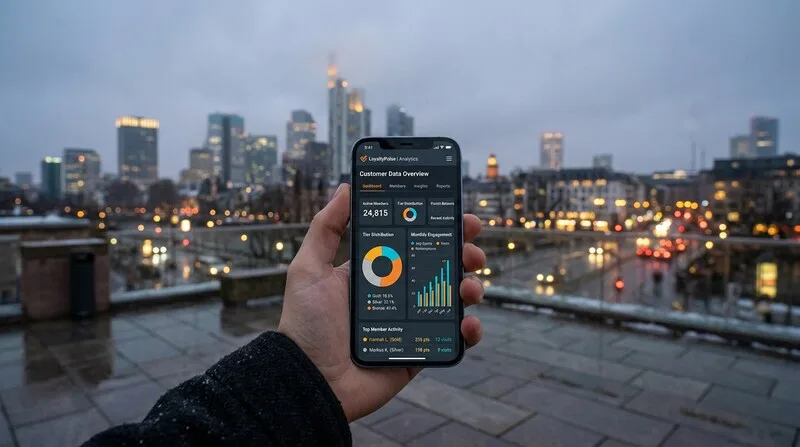
| Loyalty Apps | Collect points, receive personalized offers | Links purchase history across all channels |
| NFC Tags | Tap phone to product for instant content | Luxury authentication + digital experience access |
Retail Psychology: How Stores Engineer Behavior
POS marketing is built on decades of retail psychology research. The insights are consistent across cultures and decades:
- Eye-level is buy-level: Products placed at eye level (around 120-160 cm) sell 35-40% more than floor-level placement. This is why premium brands pay for prime shelf position and why children's products are placed lower.
- Right-hand bias: Most shoppers naturally turn right upon entering a store. Smart floor plans route traffic counterclockwise, exposing customers to the maximum range before reaching necessities.
- The decompression zone: The first 3-5 meters of a store are typically not registered by entering customers. Products placed here are largely ignored. Smart retailers use this space for atmosphere, not sales.
- Friction removal: Every additional step between interest and purchase reduces conversion. Contactless payment, pre-filled loyalty app offers, and frictionless product trials all increase average transaction size.
These principles apply equally to digital commerce. The checkout page is the online equivalent of the physical checkout zone -- and cross-channel campaigns must consider both environments simultaneously.
Digital POS: E-Commerce Checkout Optimization
The shift to e-commerce has not reduced POS complexity -- it has multiplied it. The checkout page is the highest-stakes page in any e-commerce store. A 1% improvement in checkout conversion on a EUR 5 million annual revenue store is worth EUR 50,000 in incremental revenue.
Best practices for digital POS optimization:
- Progress indicators: Show customers where they are in the checkout process. Multi-step checkout with visible progress bars reduces abandonment by up to 15%.
- Trust signals at critical moments: SSL badges, payment method logos, and review snippets immediately above the "Buy" button address purchase anxiety at peak intent.
- Cross-sell timing: Offering related products after "Add to Cart" -- not before -- captures upsell revenue without blocking the primary conversion.
- Exit-intent offers: A well-timed discount or free shipping offer to a customer about to leave the cart page recovers 10-15% of potential abandonments.
The principles mirror physical retail: understand where purchase intent is highest, remove friction, create urgency, and make the last meter to purchase as smooth as possible. See also: Marketing KPIs Explained for how to measure conversion rate optimization across channels.
Conclusion: The Store Is the Medium
In a world where everything can be ordered online, the physical store must offer more than merchandise. It must be an experience. Every detail -- from the window display to the music to the checkout zone -- communicates. The question is: what are you communicating? For brands building omnichannel customer journeys, POS design is just one element — see how it connects to the full cross-channel campaign strategy and location marketing.

Frequently Asked Questions: Point of Sale Marketing
What is point of sale (POS) marketing?
Point of sale marketing encompasses all marketing activities at the physical location where a purchase decision is made or finalized. This includes window displays, in-store signage, product placement and shelf positioning, lighting and music design, checkout zone promotions, digital signage screens, interactive displays, staff recommendations, and packaging design. The POS is where brand promise meets purchase decision — it's the final environment a brand controls before money changes hands.
What is the most effective POS marketing technique?
Research consistently shows that checkout zone placement and product positioning at eye level (1.20–1.60m from the floor) have the highest conversion impact — a product moved from ankle level to eye level typically sees 30–50% sales increases. Among digital techniques, screens showing dynamic product demonstrations near the shelf outperform static signage by 25–40% in engagement. For food and beverage brands, in-store sampling drives immediate trial conversion at rates of 15–35% — far above digital advertising benchmarks.
How do you measure POS marketing effectiveness?
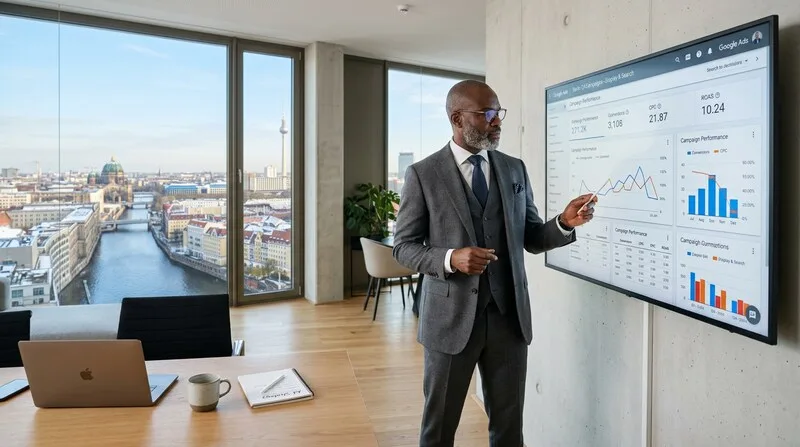
Key metrics: footfall-to-purchase conversion rate (measured via POS transaction data vs. visitor counters); average basket size vs. control periods; dwell time near specific displays (measured via WiFi tracking or video analytics); out-of-stock rate (a sign of demand exceeding expectations — capture it!). For digital POS (e-commerce checkouts), test order bump CTR, upsell acceptance rate, and checkout abandonment rate. A/B testing different POS setups — different heights, different lighting, different messaging — delivers ROI data quickly.