
5 Influencer Marketing Mistakes That Cost Brands Millions
Influencer marketing is projected to be a $24 billion industry in 2026. It's also one of the most consistently mismanaged line items in marketing budgets worldwide. Not because the channel doesn't work — it does, exceptionally well when executed properly — but because brands keep making the same avoidable mistakes over and over again.
We've audited influencer programs for brands spending anywhere from $50,000 to $5 million annually. The patterns are remarkably consistent. Here are the five mistakes we see most often, and exactly how to fix each one.

Mistake #1: Chasing Follower Counts Instead of Engagement Rates
This is the original sin of influencer marketing, and despite years of industry education, it persists. A brand wants "reach," so they book the creator with 2 million followers. The post goes up. It gets 12,000 likes — a 0.6% engagement rate. Meanwhile, a creator with 80,000 followers in the same niche would have delivered a 4.2% engagement rate, generating 3,360 likes from a smaller but dramatically more attentive audience.
The math gets worse. Mega-influencers (1M+ followers) have seen average engagement rates decline 38% since 2022 across Instagram and TikTok. Audiences have grown savvier. They recognize sponsored content instantly and scroll past it unless the creator has genuine credibility. The bigger the audience, the more diluted that credibility tends to be.
Follower count is a vanity metric. It tells you how many people subscribed at some point. It tells you nothing about how many people actually watch, engage with, and trust that creator today.
A creator with 50,000 engaged followers will outperform a creator with 2 million passive followers every single time. Reach without attention is just noise.
The Fix
Evaluate creators on three metrics before follower count even enters the conversation: engagement rate (target 3%+ on Instagram, 5%+ on TikTok), audience authenticity score (tools like HypeAuditor and Modash can flag fake followers), and content-audience fit (does this creator's audience actually match your target demographic?). Build your shortlist from these criteria first. Follower count is a tiebreaker, not a selection criterion.
Mistake #2: No Usage Rights Negotiation Upfront
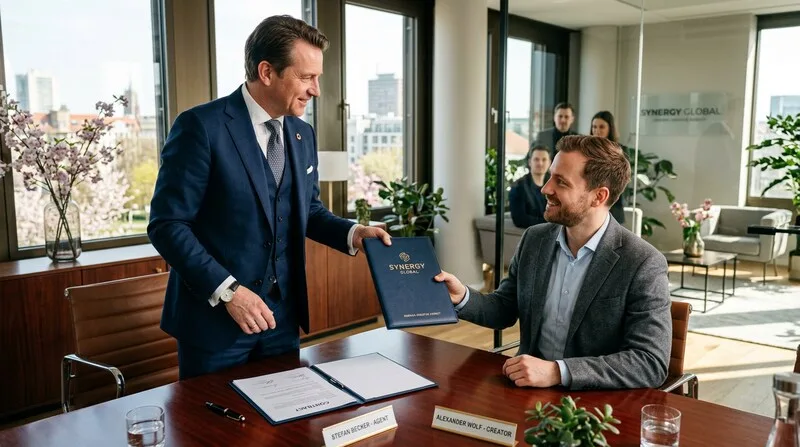
A brand runs an influencer campaign. One creator produces a piece of content that dramatically outperforms everything else — 10x the engagement, the comments are glowing, it's the perfect testimonial. The brand wants to boost it with paid media, use it in display ads, maybe even put it on a landing page.

Then they check the contract. Organic posting rights only. No paid amplification. No repurposing. The creator's management wants an additional $15,000-$30,000 for usage rights. The negotiation takes three weeks. By the time it's resolved, the content is stale and the campaign moment has passed.
This happens constantly. And it's entirely preventable.
The Fix
Negotiate usage rights in the initial contract, before a single piece of content is created. Standard terms should include: 12-month paid media amplification rights, the right to repurpose content across owned channels (website, email, in-store), and whitelist access to run ads from the creator's handle. Yes, this increases the upfront fee — typically by 20-40%. It's worth every cent. The ability to instantly amplify top-performing content through paid channels without renegotiation is what separates amateur influencer programs from professional ones.
Mistake #3: Over-Scripting Creators
The instinct is understandable. The brand has spent months developing messaging frameworks, tone of voice guidelines, and approved talking points. They want the influencer content to reflect that work. So they send a 3-page brief with scripted dialogue, mandatory camera angles, required hashtags, specific posting times, and a list of competitor names that must never be mentioned.
The creator films the content exactly as instructed. It looks and sounds like an ad. The audience, which followed this creator for their authentic voice, recognizes it immediately. Engagement tanks. Comments are dismissive: "ad," "sell out," "skip." The content underperforms organic benchmarks by 40-60%.
Over-scripting doesn't just reduce engagement. It actively damages the thing that makes influencer marketing work in the first place: trust transfer. When a creator's audience trusts them and the creator genuinely endorses a product, that trust transfers to the brand. When the audience can tell the creator is reading a script, the trust transfer breaks.
The Fix
Give creators a brief, not a script. The brief should include: key message (one sentence), non-negotiable brand mentions (product name, one key feature), content theme or angle (not a script), and any legal/regulatory requirements (disclosures, claims that can't be made). Everything else — the creative execution, the hook, the storytelling approach — should be the creator's call. You hired them for their voice. Let them use it.
Mistake #4: Ignoring Micro and Nano Creators
There's a persistent bias in influencer marketing toward scale. Brands want fewer, bigger partnerships because they're easier to manage. Booking three creators at $50,000 each requires less coordination than booking thirty creators at $5,000 each.

The problem is that the performance data overwhelmingly favors the second approach. Micro creators (10K-100K followers) deliver 60% higher engagement rates than macro creators on average. Nano creators (1K-10K) deliver even higher — engagement rates of 7-10% are common, compared to the 1-2% typical of accounts above 500K.
More importantly, micro and nano creators drive higher conversion rates. Their audiences are smaller but more homogeneous and more trusting. A recommendation from a nano creator often functions like a recommendation from a friend. A recommendation from a mega-influencer functions like a celebrity endorsement — impressive but impersonal.
The future of influencer marketing isn't one creator talking to ten million people. It's a thousand creators each talking to ten thousand people who actually listen.
The Fix
Allocate at least 40-50% of your influencer budget to micro and nano creators. Our influencer pricing guide breaks down exact rate ranges by tier so you can allocate intelligently. Use platforms that specialize in scaling micro-creator programs. The coordination cost is real, but the performance premium more than compensates. And the content volume you generate — dozens or hundreds of unique creative assets instead of three — gives your paid media team far more material to test and optimize.
Mistake #5: No Performance Tracking Beyond Vanity Metrics
Ask most brands how their influencer campaign performed and you'll get: "We got 2 million impressions and 85,000 likes." Ask them what those impressions and likes were worth — in terms of brand awareness lift, website traffic, leads, or sales — and you'll get silence.
Vanity metrics aren't meaningless, but they're incomplete. Impressions tell you how many people were exposed. Likes tell you how many people tapped a button. Neither tells you whether the campaign changed anyone's perception of your brand or drove any incremental business outcome.
This measurement gap is dangerous because it makes influencer marketing vulnerable to budget cuts. When the CFO asks "what did we get for that $500K influencer spend?" and the answer is "likes," the budget gets reallocated to channels that can show clearer ROI. The irony is that influencer marketing often is delivering strong ROI — it's just not being measured properly.
The Fix
Build a measurement framework before the campaign launches. At minimum, track:
| Metric | How to Track | Why It Matters |
|---|---|---|
| Brand lift | Pre/post surveys, control vs. exposed groups | Measures real awareness and consideration shift |
| Web traffic | UTM tags, dedicated landing pages | Ties creator content to actual site behavior |
| Conversion | Promo codes, affiliate links, pixel tracking | Direct attribution of sales to influencer |
| Content value | Equivalent paid media CPM calculation | Often alone justifies the entire investment |
| Earned media | Track shares, saves, UGC inspired by content | Ripple effect beyond the paid placement |
For the full measurement toolkit, our marketing KPIs guide defines exactly which numbers to track — including the metrics that reveal real influence versus vanity metrics.

The Bottom Line
Influencer marketing works. The evidence is overwhelming and growing every quarter. But "works" is conditional. It works when you select creators based on engagement and audience fit rather than follower vanity. It works when you secure usage rights upfront so top-performing content can be amplified instantly. It works when you trust creators to be creative. It works when you embrace the long tail of micro and nano creators. And it works when you measure what matters.
Get any of these wrong, and you're not doing influencer marketing. You're doing expensive content creation with someone else's face on it.
Get them all right, and you have one of the most powerful brand-building and performance-driving channels available in 2026. The brands that figure this out will win. The ones that keep chasing follower counts will keep wondering why the ROI never materializes.
Frequently Asked Questions: Influencer Marketing Mistakes
What is the biggest mistake brands make with influencer marketing?
The most costly mistake: choosing influencers based on follower count instead of audience quality and alignment. A 500,000-follower account with a generic beauty audience will consistently underperform a 50,000-follower account whose audience specifically loves your niche — for a fraction of the cost. The second most common mistake: failing to give creators creative freedom. Brands that send a rigid script and demand word-for-word delivery consistently get lower engagement than brands that brief the creator on the goal and let them translate it into their own voice. Creators know their audience; brands often don't.
How do you avoid influencer fraud?
Influencer fraud red flags: Sudden follower spikes (check Social Blade for follower history — legitimate accounts grow gradually); engagement rate dramatically below category norms; comment sections full of generic phrases (emoji spam, 'great post!' with no specificity); audience location mismatch (a German brand's influencer with 80% of followers in Brazil or India); and follower-to-engagement ratio that doesn't follow the expected decline curve. Tools: HypeAuditor, Modash, and Social Blade all provide audience quality scores. For investments above €5,000, always run an independent audience audit before signing a contract.
What should be in an influencer contract?
Essential influencer contract terms: Deliverables (exact format, quantity, and posting timeline); exclusivity window (how long before/after they cannot promote competitor brands); approval rights (your right to review content before posting, with a defined review window); usage rights (can you repurpose the content in paid ads? For how long?); disclosure requirements (FTC/German advertising law requires #ad or #werbung labeling); performance guarantees (minimum views/reach, with compensation adjustments if not met); and cancellation terms (what happens if the brand or creator needs to exit). Brand-created content repurposed in paid ads (Spark Ads, Whitelisting) has become highly valuable — secure these rights upfront, as retroactive negotiation is expensive.