
Sponsoring is more than a logo on a jersey. The most successful partnerships merge brand and culture so seamlessly that you can no longer tell where one ends and the other begins. From sports to art to music -- here are the strategies that work.
Sports Sponsoring: The Original
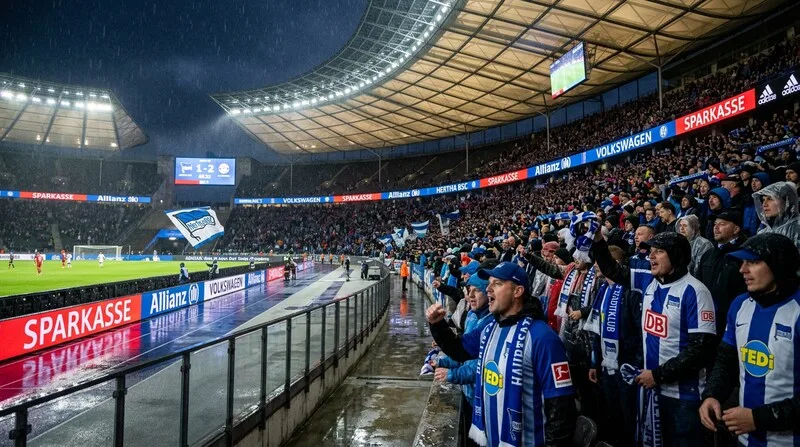
Sports sponsoring is the classic among partnerships -- and still the largest market. Over 60 billion euros are spent on sports sponsoring annually worldwide.
Rolex and Tennis
Rolex sponsors Wimbledon, the Australian Open, and the US Open. The brand is so closely tied to tennis that a Rolex on the wrist automatically communicates "elegance and performance." The genius: Rolex never shows a watch on the court.
Red Bull and Extreme Sports
Red Bull owns its own Formula 1 teams, football clubs, and extreme sports events. This is not sponsoring in the traditional sense -- it is ownership. Red Bull understood that owning the platform is more effective than renting it.
Art Sponsoring: Prestige and Positioning
Art sponsoring is the playing field of luxury brands. It is not about reach but about association.
Louis Vuitton Foundation
LVMH built the Fondation Louis Vuitton, a museum designed by Frank Gehry in Paris. The building itself has become a landmark -- and permanent advertising for the brand.
BMW Art Cars
Since 1975, BMW has had artists like Andy Warhol, Roy Lichtenstein, and Jeff Koons design race cars. According to Forbes, the program is one of the most enduring and successful art sponsorships in history.
Music Sponsoring
Pepsi and the Super Bowl Halftime Show
Pepsi sponsored the Super Bowl Halftime Show from 2013 to 2022. Artists like Beyonce, Lady Gaga, and The Weeknd performed -- and Pepsi was always present. The sponsorship cost an estimated 50 million dollars annually but generated multiples in media attention.
Celebrity Endorsements
The most successful endorsements of all time:
| Partnership | Result | Key Lesson |
|---|---|---|
| Michael Jordan × Nike | Air Jordan: most profitable sports brand, 5B+ USD/year revenue | Athlete as co-creator, not just face |
| George Clooney × Nespresso | "What else?" positioned Nespresso as premium coffee globally | One tagline + one face = premium perception |
| Charlize Theron × Dior J'adore | France's best-selling perfume for 25+ years | Long-term loyalty beats annual casting changes |
New Generation Partnerships
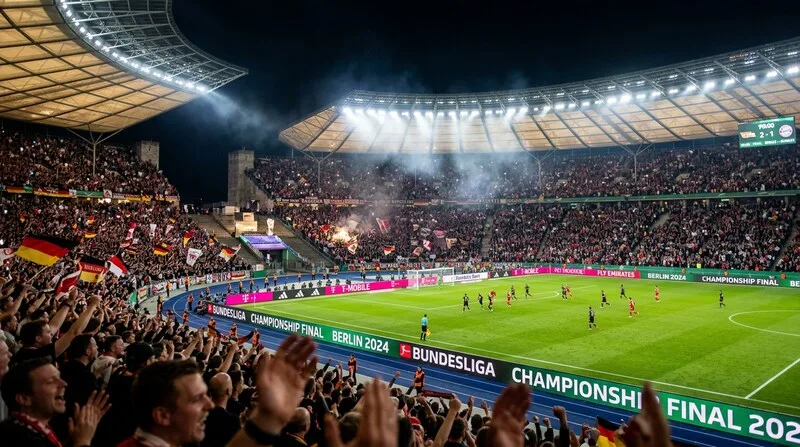
- Co-Creation: Brands develop products together (Nike x Off-White, Adidas x Gucci)
- Cultural Partnerships: Brands support movements and communities
- Platform Partnerships: Brands invest in technology platforms (Shopify x TikTok)
How to Negotiate a Sponsoring Deal
Most brands over-invest in logo placement and under-invest in activation rights. A sponsoring contract that only gives you a logo on a banner is a missed opportunity. Here is what to negotiate for:
- Activation rights: The right to set up a branded area, sampling zone, or interactive installation at the event. This is where audience contact actually happens.
- Content rights: Permission to film, photograph, and publish event content on your own channels. Without this, you cannot leverage the association beyond the event itself.
- Athlete and artist access: The right to feature sponsored talent in your own advertising, social content, and PR. A sports sponsor without player access is paying for a billboard.
- First refusal: The right to renew a successful partnership before it goes to market. Cultural partnerships that work tend to become more valuable over time.
- Exclusivity by category: Ensuring no direct competitor gets the same placement in the same event. Category exclusivity is worth 20-40% premium over non-exclusive placement.
The negotiation leverage is highest before an event signs its main sponsor. Early partnerships in emerging sports or cultural properties offer the best value. Red Bull entered motorsport and extreme sports when both were niche -- not mainstream. That is the sponsoring equivalent of buying real estate before the neighborhood gentrifies.
Sponsoring Budgets: What Things Actually Cost
Transparent budget benchmarks are rare in sponsoring. Directionally, these ranges apply for German and European markets:
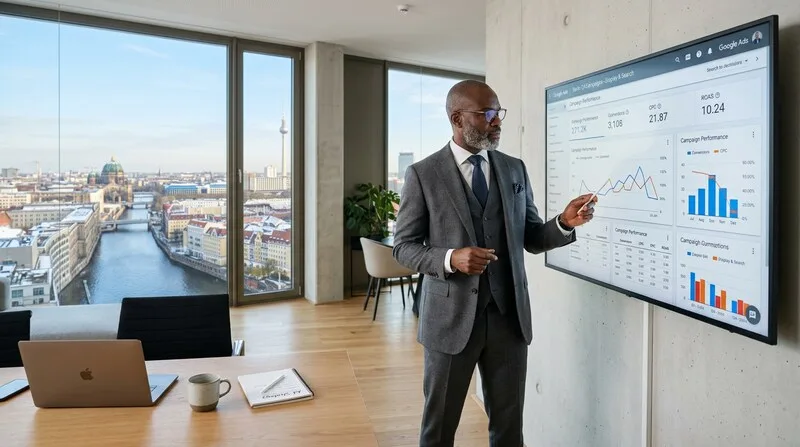
- Regional sports team (Bundesliga 2/3): 50,000-300,000 EUR per season for shirt or stadium naming rights
- National music festival (1-3 days, 10,000+ visitors): 20,000-100,000 EUR for a branded stage or activation zone
- Major European sports event (Champions League, Grand Slam): 500,000-5,000,000+ EUR per season for visible category sponsoring
- Micro-influencer brand ambassador (3-6 month deal): 3,000-15,000 EUR total -- the most cost-efficient celebrity-adjacent format for mid-market brands
- Cultural institution partnership (museum, theater, opera): 10,000-80,000 EUR per year -- high prestige, narrow but affluent audience reach
The key metric is not the sponsoring fee but the total activation budget. A EUR 100,000 sponsoring fee paired with EUR 10,000 in activation produces far worse results than a EUR 50,000 fee paired with EUR 50,000 in events, content, and promotions. See also: Marketing Budget Guide for budget allocation frameworks.
Conclusion: Sponsoring Is Storytelling
The best sponsorships tell a story. For agencies and brands: find the culture that fits your brand -- and become part of it. Not as a sponsor, but as a partner.
Frequently Asked Questions: Sponsoring and Brand Partnerships
How much does sponsorship cost for a brand?
Sponsorship costs in Germany range enormously by property. Local sports club (shirt sponsor): €2,000–20,000/year. Regional professional sports (Bundesliga 2, lower divisions): €50,000–300,000/year. National sports sponsorship (naming rights for a stadium, event title sponsor): €1,000,000–10,000,000+/year. Event sponsorship (music festival): €20,000–500,000 depending on tier. Cultural institution (museum, opera): €50,000–500,000/year. Rights fees are only part of the total cost — activation (events, advertising, content production) typically adds another 50–100% on top. Rule of thumb: for every €1 spent on rights, budget €0.50–1.00 for activation.
What is the difference between sponsoring and a brand partnership?
Sponsorship is typically a one-directional financial relationship: a brand pays to associate with a property (a team, event, or personality) in exchange for logo placement and audience exposure. A brand partnership is more collaborative — both brands contribute assets (audience, distribution, product) and share in the value created. Co-branded product launches (Nike x Off-White), joint content campaigns, or shared event activations are partnerships. Partnerships typically deliver higher ROI than pure sponsorships because both brands amplify the campaign to their respective audiences, effectively doubling the reach at no additional media cost.
How do you evaluate a sponsorship opportunity?
Six evaluation criteria: (1) Audience fit — does the property's audience match your target customer profile (age, income, interests)? (2) Exclusivity — are you the only brand in your category, or are competitors also present? (3) Activation rights — what can you actually do beyond logo placement? (4) Measurability — can you track the impact (traffic, awareness lift, sales lift)? (5) Alignment — does the property's values and reputation reinforce or dilute your brand? (6) Long-term potential — is this a 1-year test or a multi-year platform? Great sponsorships are built over time — brands that change sports partners every year miss the cumulative brand equity of sustained association.
