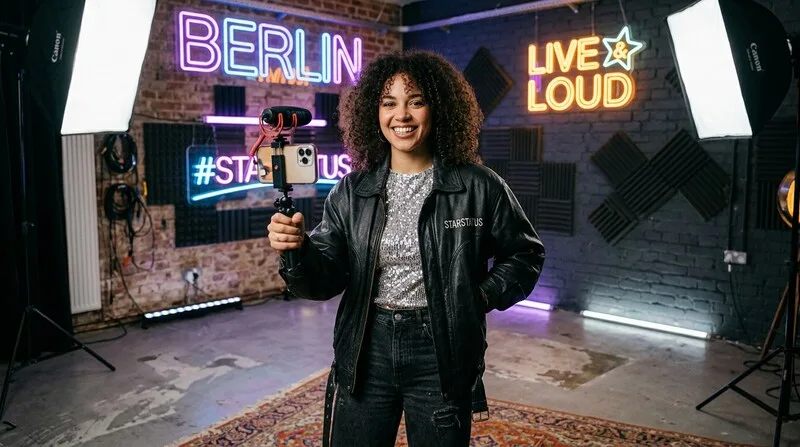
The traditional path to purchase had a clear sequence: see an ad, visit a website, browse, add to cart, check out. Social commerce collapses this into a single moment. A user watches a creator demonstrate a product, taps a purchase button overlaid on the video, and completes the transaction without leaving the app. The friction that historically separated discovery from purchase has been engineered away. For brands, this represents both a massive opportunity and a fundamental challenge to their existing e-commerce infrastructure.
What Is Social Commerce
Social commerce is the integration of shopping functionality directly into social platforms. The critical distinction from social media marketing: social commerce completes the transaction inside the app; social media marketing drives traffic to an external website. Both have value, but they serve different roles in the purchase journey and require different strategies, content formats, and measurement approaches.
The market is substantial and growing fast. Global social commerce sales reached $1.3 trillion in 2025. eMarketer projects the market exceeds $2 trillion by 2028. China leads adoption with over 50% of internet users having made a social commerce purchase -- driven by WeChat, Douyin (TikTok's Chinese version), and Taobao Live. Western markets are accelerating, led by TikTok Shop's US rollout and Instagram's deepening commerce integrations.
The Three Pillars
Every successful social commerce strategy rests on three elements working together:
- Discovery: Algorithmic content distribution that surfaces products to relevant users who were not actively searching. This is social commerce's defining advantage over search -- it creates demand rather than capturing existing demand
- Social proof: Creator reviews, customer UGC, ratings, and community validation at the moment of consideration. Product pages in social apps carry social context that standalone e-commerce sites cannot replicate
- Frictionless transaction: Native checkout, saved payment methods, and one-tap purchase flows that convert discovery into purchase before the impulse dissipates
"Social commerce does not just move the checkout to social media. It changes what triggers the purchase decision -- from intent to inspiration."
TikTok Shop: The Game Changer
TikTok Shop launched in the US in 2023 and by 2025 had over 500,000 active sellers and $20 billion in US GMV. The model is distinct from any previous social commerce implementation: products appear as shoppable overlays in organic For You Page videos, in creator affiliate content, and in dedicated Shop tab storefronts. The purchase flow is fully native -- payment, confirmation, and fulfillment tracking happen inside TikTok.

The engine driving TikTok Shop's growth is the creator affiliate program. Brands list products and set affiliate commission rates (typically 5--20%). Creators select products to feature in their content with no prior relationship with the brand required. When a viewer purchases, the creator earns the commission automatically. This creates a marketplace of thousands of organic advocates -- effectively a performance-based influencer model at scale.
Categories performing best on TikTok Shop: beauty, personal care, household items, fashion accessories, electronics accessories, and food and beverage. High demonstration value (products that show clear before/after or in-use results on video) dramatically outperform products where the benefit is abstract or invisible on camera.
Instagram and Facebook Shops
Instagram Shopping remains the strongest social commerce channel for premium and lifestyle brands. The product catalog integration tags items directly in feed posts, Stories, and Reels. Users tap a product tag to see name, price, and description without leaving the video or image -- then proceed to checkout either natively or redirected to the brand website.
Instagram's strength is brand presentation control. Unlike TikTok's algorithm-first model, Instagram allows brands to maintain curated aesthetic identity while making products purchasable. For luxury, high-end fashion, beauty, and home brands where visual brand equity drives purchase decisions, Instagram Shopping is the primary social commerce vehicle.
Facebook Shops integrates the same product catalog across Facebook and Instagram, with particular strength in the 35+ demographic. Facebook's Marketplace and local commerce features extend social commerce into secondhand and local business contexts beyond traditional brand-to-consumer retail.
Pinterest and YouTube
Pinterest is underrated as a social commerce channel. Its users arrive in planning and inspiration mode -- searching for ideas for home renovation, fashion outfits, recipes, and weddings. Product Pins link directly to retailer catalogs with real-time pricing. Buyable Pins enable native checkout. Crucially, Pinterest search intent is among the highest of any platform -- a user pinning "living room furniture ideas" is signaling purchase consideration with a longer horizon but high conversion probability.

YouTube Shopping launched product tagging for eligible creators in 2022 and has expanded to all US creators. Shoppable annotations appear during videos, allowing viewers to purchase featured products without leaving YouTube. For tutorials, reviews, and product demonstrations, YouTube Shopping converts high-intent viewers who are specifically watching content about a product category.
Live Shopping
Live shopping combines the real-time engagement of live streaming with immediate purchase capability. In China, live commerce accounts for over 20% of total e-commerce sales. Western adoption has been slower but is accelerating -- TikTok LIVE Shopping, Instagram Live Shopping, and Amazon Live all gained significant traction through 2025.
The live shopping dynamic is distinct from static social commerce: scarcity (limited quantities), urgency (time-limited offers), and real-time social proof (comments from other viewers purchasing) create conversion dynamics closer to TV shopping channels than conventional e-commerce. Average conversion rates during well-executed live shopping events are 5--10x higher than static product pages. Brands with experienced live hosts, genuine demonstrations, and audience-interactive formats are seeing the strongest results.
What Brands Need to Succeed
Social commerce success requires three organizational capabilities many brands currently lack:
- Content velocity: TikTok Shop rewards consistent creator content -- brands need either an in-house creator program or an affiliate network producing product content at volume. One polished post per week is insufficient; high-performing shop accounts publish daily
- Fulfillment speed: Social commerce buyers have high expectations shaped by Amazon Prime. Orders expected within 3--5 days; slower fulfillment generates negative reviews that damage product visibility in platform algorithms
- Social proof management: Reviews and ratings are prominently featured in social commerce product listings. Proactively generating reviews from satisfied customers -- through post-purchase emails and creator seeding -- is a prerequisite to competitive listing performance
See how the influencer dimension of social commerce fits into a broader strategy in our influencer marketing guide -- creator selection and affiliate structure are the operational core of TikTok Shop performance.
The Attribution Challenge
Social commerce creates a measurement paradox: it is simultaneously more attributable (platform-native transactions are fully trackable) and less attributable (organic discovery influence on branded search and direct visits is invisible). A customer who discovers a product via a TikTok creator, does not purchase immediately, and returns three days later via direct search shows as a direct conversion in GA4 with no social commerce credit.

The practical approach: use platform-native attribution (TikTok Shop backend, Instagram Commerce Manager) for platform-level optimization, and use incrementality testing (geo-holdout tests) periodically to measure social commerce's true incremental revenue contribution versus what would have occurred anyway. For point-of-sale and offline impact, branded search volume trends remain the best proxy for social commerce awareness effects.
Frequently Asked Questions: Social Commerce
What is social commerce?
Social commerce is the integration of shopping capabilities directly into social media platforms -- allowing users to discover, evaluate, and purchase products without leaving the app. It differs from social media marketing by completing the entire transaction within the platform. Examples include TikTok Shop (in-video purchase buttons), Instagram Shopping (shoppable posts and stories), and Pinterest Product Pins. Social commerce shortens the path from discovery to purchase from multiple steps to one tap.
How big is social commerce in 2026?
Global social commerce sales reached approximately $1.3 trillion in 2025 and are projected to exceed $2 trillion by 2028. China leads adoption with over 50% of Chinese internet users having made a social commerce purchase. In Western markets, the US social commerce market is valued at $68 billion in 2025, with TikTok Shop and Instagram Shopping driving most growth. Gen Z and Millennial consumers drive the majority of transactions.
What platform is best for social commerce?
The best social commerce platform depends on your product category and target audience. TikTok Shop is strongest for impulse-purchase consumer products targeting 18--34 year olds with high discovery velocity. Instagram Shopping excels for lifestyle, fashion, beauty, and home categories with strong brand aesthetics. Pinterest is top for home decor, fashion, food, and DIY -- users arrive in active planning mode with high purchase intent. Facebook Shops suits broader age demographics and businesses with existing Facebook ad audiences.