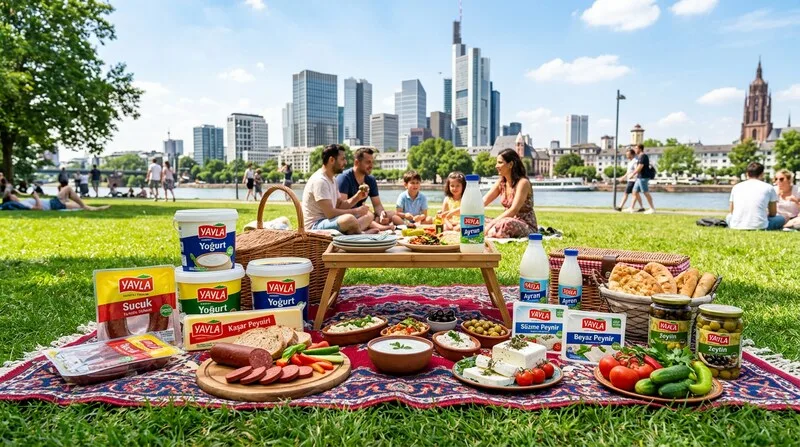
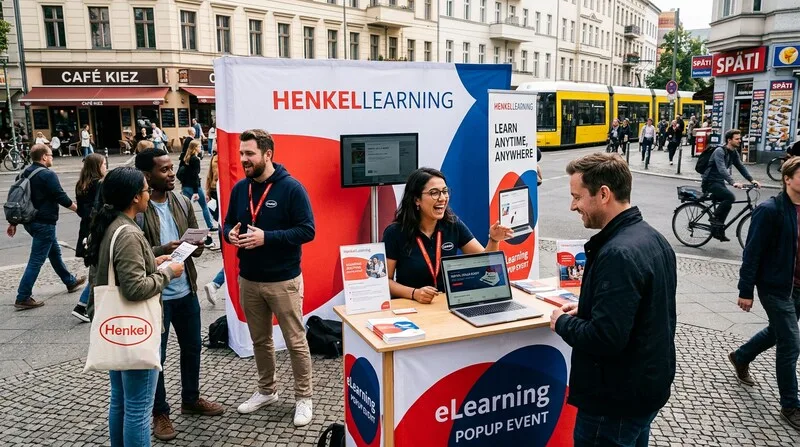
In an era of ad-blocking, banner blindness, and algorithmically fragmented attention, brands that win are those that make people feel something. Brand activation — the art of bringing a brand to life through immersive, participatory experiences — has evolved from a niche event tactic into a core pillar of modern marketing strategy. From pop-up installations in Berlin side streets to stadium-scale live events and digital-physical hybrid campaigns, activation is how brands convert awareness into affinity and affinity into advocacy. This guide breaks down what brand activation actually is, why it works, and how to build a strategy that delivers measurable results.
What Is Brand Activation — and Why Does It Matter?
Brand activation is any initiative designed to generate consumer action: to make an audience interact with, experience, or talk about a brand rather than simply see it. Unlike traditional advertising, which broadcasts a message outward, activation invites people in. It can take the form of a live event, a product sampling campaign, an immersive retail experience, a social media challenge, or a guerrilla stunt on a city street. What unites all these formats is intentionality: every touchpoint is engineered to create a memorable moment that deepens the relationship between consumer and brand. For companies working with a branding and creative agency, activation is often the culmination of months of brand-building work — the moment strategy becomes reality in the physical or digital world.
- → 74% of consumers say engaging with branded event marketing makes them more likely to buy the product (EventTrack)
- → Experiential campaigns generate an average of 6:1 earned media return — for every £1 spent, brands receive £6 in media coverage value
- → 65% of brands that invest in live experiences report a direct, measurable improvement in brand sentiment within 30 days
- → Activation-led campaigns are 2.4x more likely to produce UGC than standard social media advertising
- → Event and experiential marketing is a $128 billion global industry, forecast to reach $180 billion by 2028
The Five Core Formats of Brand Activation
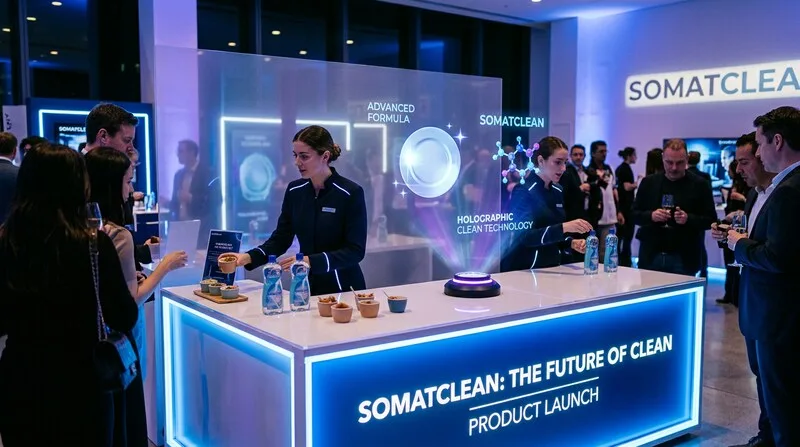
Effective activation doesn't mean choosing the flashiest format — it means choosing the format that fits your audience, your brand, and your objectives. The five dominant categories each serve distinct strategic purposes. Live events and experiential installations place the brand in physical space, creating sensory memories that digital advertising cannot replicate. Product sampling and demonstration activations reduce purchase hesitation by giving consumers direct product contact — a tactic with proven conversion uplift across FMCG, beauty, and food categories. Digital activations — social challenges, AR filters, branded games — extend activation reach beyond geographic limits and generate scalable user-generated content. Retail and point-of-sale activations transform the shopping environment into a brand experience, influencing the critical final moments of the purchase journey. Finally, partnership and sponsorship activations borrow the equity of existing events — from music festivals to sporting fixtures — to associate a brand with cultural moments that audiences already care about.
Building a Brand Activation Strategy That Actually Works
The most common reason brand activations underperform is that they are conceived as isolated spectacles rather than integrated strategic moments. A genuinely effective activation strategy begins long before the first event brief is written. It starts with a rigorous understanding of where the target audience sits in the brand funnel — awareness, consideration, or loyalty — and what specific behaviour the activation needs to drive. From that foundation, format, location, timing, and amplification all follow logically. Your strategy and consulting team should define three things before any creative concept is developed: the primary activation objective (trial, awareness, loyalty, UGC generation), the measurement framework that will prove success, and the amplification plan that extends the activation's reach far beyond those physically present.
'The best brand activations don't feel like marketing. They feel like a gift — an experience so compelling that audiences seek them out, share them voluntarily, and remember them years later. That's the standard worth designing toward.' — ONE Agency Strategy Team
Amplification: Making One Event Do the Work of Many
Physical activation reaches hundreds or thousands of people. Amplification reaches millions. The smartest brands design their activations as content engines from the outset — ensuring that every element of the live experience is simultaneously a piece of shareable, platform-native content. This means integrating influencer marketing into the activation itself, placing creators inside the experience to generate authentic real-time coverage. It means designing visual moments — backdrops, installations, product reveals — that are inherently Instagram and TikTok-friendly. It means capturing high-quality video and photo content on the day for use in paid social amplification campaigns that run immediately post-event, targeting audiences who showed interest in the brand or the event category. The paid amplification layer is critical: organic reach alone will not scale an activation's impact to campaign levels. Running targeted TikTok ads, Instagram ads, and YouTube ads using activation content dramatically extends reach and reinforces the emotional message to audiences who didn't attend.
The Role of Earned Media in Activation ROI
Earned media — press coverage, organic social sharing, word of mouth — is the mechanism through which great activations generate disproportionate return on investment. A strategically placed guerrilla activation in a high-footfall urban location, executed with genuine creative surprise, can generate national press coverage worth multiples of the production budget. Brands should pursue earned media deliberately, not accidentally: inviting journalists, seeding exclusive previews to key creators, timing launches to align with cultural moments, and crafting the activation story in a way that gives media a clear, compelling hook. Combined with out-of-home advertising in the activation location to prime awareness before the event, this layered approach maximises the earned media opportunity.
- Define a single, primary activation objective before developing any creative concept
- Design the physical experience as a content engine — every element should be shareable
- Embed influencers and creators inside the activation, not just around it
- Build a paid amplification plan using activation content for post-event social campaigns
- Measure sentiment and UGC volume within 72 hours of the activation going live
- Align activation timing with seasonal moments, cultural events, or product launch cycles
- Integrate event marketing with your broader campaign calendar for maximum synergy
Measuring Brand Activation ROI: The Metrics That Matter
Measurement is where many activation programmes falter. Because experiential marketing operates across physical and digital domains simultaneously, traditional single-channel attribution models fail to capture its true impact. The most rigorous activation measurement frameworks track five distinct value streams: direct engagement (footfall, dwell time, participation rates), earned media value (coverage volume and estimated reach), social amplification (UGC volume, hashtag reach, share rate), direct conversion (on-site sales, coupon redemptions, app downloads triggered), and brand health shifts (sentiment, consideration, and net promoter score measured pre- and post-activation via consumer surveys). Working with a performance marketing partner to set up proper tracking and attribution before the activation launches is essential — not an afterthought. Brands that measure activation comprehensively consistently demonstrate stronger business cases for continued investment, creating a virtuous cycle of better briefs, bigger budgets, and bolder creative.
Integrating Activation Into Your Always-On Marketing Mix
The most sophisticated brands don't treat activation as a series of discrete events but as a continuous strand of their marketing mix. Monthly micro-activations — pop-up samplings, creator-hosted experiences, retail takeovers — maintain brand presence in physical culture year-round, while one or two flagship annual activations create the cultural moments and media spikes that define brand perception. This always-on activation model works best when it is fully integrated with social media management, content marketing, and paid media — each discipline feeding the others with content, audience data, and creative assets that compound in value over time.
- Set a clear, measurable activation objective aligned to your brand funnel stage
- Choose the activation format that best fits your audience and objective
- Design the physical experience as a content engine with built-in shareability
- Embed influencers and creators to drive real-time and post-event amplification
- Launch paid social campaigns using activation content within 24 hours of the event
- Measure across all five value streams and report total activation ROI within 30 days
- Feed learnings back into your next activation brief to continuously improve performance
- → Brands that integrate influencer seeding into live activations see 3.1x more UGC than those relying on organic sharing alone
- → Post-event paid social campaigns using activation video content achieve 40–60% lower CPMs than standard brand creative
- → Activation campaigns with a defined earned media strategy generate an average of 8.2x their production cost in media value
- → Brands running quarterly activations report 22% higher NPS scores than those relying solely on digital advertising
- → On-site product trial activations convert at rates 5–8x higher than equivalent digital retargeting campaigns
Why Full-Service Agencies Are the Ideal Activation Partner
Brand activation sits at the intersection of strategy, creative, production, media, and analytics — making it one of the most complex disciplines in modern marketing to execute well. Brands that attempt to assemble activation programmes from multiple specialist vendors routinely encounter coordination failures, budget leakage, and measurement gaps. A full-service agency partner, by contrast, brings all five disciplines under a single strategic roof: from the initial consumer insight work and activation concept through to creative production, influencer partnership, paid media amplification, and post-campaign reporting. At ONE Agency, we design and execute brand activation programmes that are built to perform across every dimension — creating experiences that audiences remember, content that algorithms amplify, and results that finance teams can verify. Whether you're planning your first brand activation or scaling an established experiential programme, our strategy team is ready to build the brief with you.