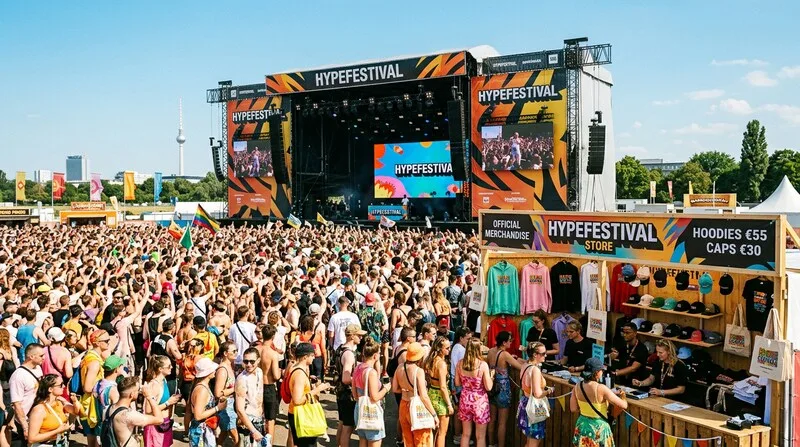



Stadium advertising and sports sponsorship remains one of the most powerful brand-building channels available. Sports contexts create unique emotional associations: millions of people watching simultaneously, high collective emotion, national and local identity. A brand seen on a stadium perimeter board during a Champions League final reaches 300 million viewers in one 90-minute window.
Sports sponsorship categories: venue naming rights (the most expensive and highest-visibility), jersey sponsorship, stadium perimeter advertising (LED boards that rotate), pitch-side static boards, digital screen placements inside venues, hospitality rights (branded executive boxes, hospitality packages), and event title sponsorship. Each has different reach, cost and brand association profiles.
Evaluating sponsorship ROI requires moving beyond simple "media value equivalent" calculations that inflate the value of on-screen time. Practical ROI metrics: brand awareness lift measured by tracking studies, sponsored content engagement rates, hospitality revenue (enterprise sales facilitated through event access), and search volume uplift for branded terms during and after events.
The most effective stadium advertising strategies combine physical presence with digital amplification: owned social content from the match day, creator activation in the venue, targeted digital campaigns in the weeks around sponsored events, and remarketing to fans who visited the venue (via geofencing and mobile data). Physical presence creates credibility; digital amplification extends reach. Brands that only book the boards without digital integration capture 30-40% of available sponsorship value.