
April 2026

Brand Awareness Strategy 2026: Build and Measure Brand Recognition

Recognized brands pay less per click, convert better and win more loyal customers. How to systematically build brand awareness — channels, content and KPIs.

Brand awareness is the most underestimated competitive advantage in digital marketing. Brands that rely exclusively on performance channels and ignore brand building permanently fight rising CPCs — because every click must be explained from scratch. Strong brands have a built-in advantage: people search for them directly, trust their ads more, and need less convincing before converting.

The interplay between brand and performance is strategically decisive in 2026: brands that invest in awareness see 12–20% lower CPCs in Google Ads, higher quality scores and better CTRs — because users recognize their ads and trust them. This isn't a soft metric — it's measurable through branded search volume and direct traffic growth.

Brand Awareness Channels: What Works When
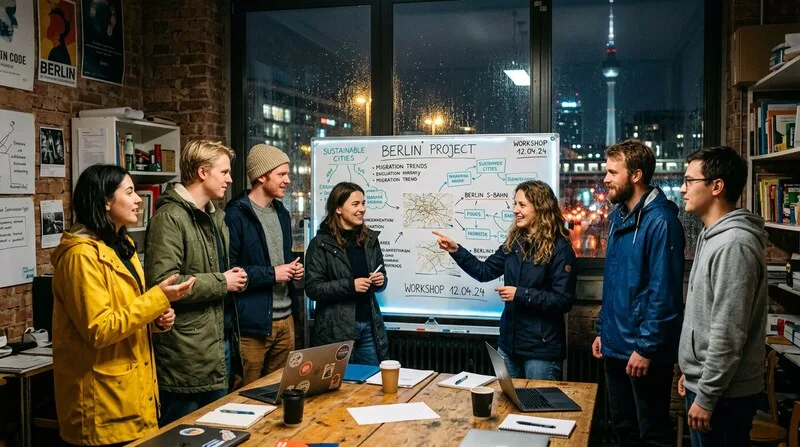
Brand Awareness Strategy 2026 Channels Content Branding Workshop
Brand building is a long-term process that uses multiple channels simultaneously — from editorial content to social media to strategic PR placements and influencer partnerships.
Channel Strength Time Horizon Budget
Content + SEOThought Leadership, Authority6–18 monthsLow–Medium
Social Media (organic)Community, Daily Presence3–12 monthsLow (time investment)
Influencer MarketingReach + CredibilityImmediate–3 monthsMedium
PR + Earned MediaCredibility, Backlinks1–6 monthsMedium (agency/time)
Paid Awareness (YouTube, Meta)Reach, ScalabilityImmediateHigh

Content Strategy for Brand Awareness

Brand awareness through content doesn't come from advertising messages — it comes from genuine value that becomes associated with the brand. The principles:

  • Thought Leadership: Original viewpoints, proprietary data, expert insights. Those perceived as experts are also perceived as a brand. Formats: whitepapers, original research, opinion pieces
  • Educational Content: Guides, how-tos, explainer videos — like this blog post. The audience comes for the knowledge, stays for the brand
  • Brand Storytelling: Who is behind the brand, what are the values, how were customers transformed. People buy from people — brands that become personal create loyalty
  • Community Content: UGC (User Generated Content) — customer experiences, testimonials, case studies. More authentic than brand content, 2.4x more conversions according to Nielsen
  • Consistency over time: Brand awareness builds through repetition. Posting for 3 months then stopping gains nothing. Long-term = 12+ months of consistent presence
Brand Awareness Social Media Content Marketing Influencer Reach 2026
Strong brands don't use social media for advertising — they use it for community building, thought leadership and authentic storytelling. That creates real brand awareness.
Insider Tip

Branded search volume as a brand awareness KPI: The most precise and cheapest indicator of growing brand awareness is the monthly volume of searches directly looking for the brand name — measurable for free in Google Search Console and Google Trends. When this number grows, your brand is growing. Goal: double branded search volume annually. Brands that track this KPI find that brand investments — even when not directly attributable on a short-term basis — make the entire marketing funnel more efficient.

Brand awareness is not the opposite of performance — it's the foundation for it. Every direct traffic session, every organic brand search, every email open from an existing customer would not exist without brand building. The most profitable marketing strategies in 2026 invest simultaneously in brand and performance — and understand how both reinforce each other.


Related Topics

Content Marketing Influencer Marketing Social Media Marketing Strategy Performance Marketing

FAQ: Brand Awareness

How much budget do I need for brand building?

Rule of thumb: 20–40% of marketing budget on brand (awareness, image, storytelling), 60–80% on performance. For small companies with no budget: organic content marketing + social media is nearly free — costs time. Influencer marketing starts at $500–$2,000 for micro-influencers. Paid awareness scales sensibly from $1,000/month. Important: brand investments work cumulatively — the longer you invest, the more efficient it becomes.

Branding vs. Brand Awareness — what's the difference?

Branding = who you are (logo, colors, tone, values, positioning). Brand Awareness = how many people know who you are. Branding defines the foundation, brand awareness spreads it. Good branding without awareness is useless — excellent awareness with weak branding burns budget. Both must work together: first establish clear branding, then scale awareness.

Frequently Asked Questions

What is brand awareness and why does it matter?
Brand awareness refers to the degree to which a target audience recognizes a brand. Types: (1) Aided awareness: target audience recognizes the brand when mentioned. (2) Unaided awareness: target audience names the brand spontaneously in a category. (3) Top-of-mind: the brand is named first. Why it matters: recognized brands pay less for the same clicks (lower CPC), convert better (trust), and generate direct search traffic. McKinsey: 73% of B2B purchases begin with a brand search.
Which channels are most effective for brand awareness?
Most effective brand awareness channels 2026 by budget: (1) Content Marketing + SEO — sustainable building, compound effect, low CPM. (2) Social media (organic) — daily presence, community building, storytelling. (3) Influencer marketing — creator reach + credibility, especially micro-influencers (10k–100k) with 60% higher engagement. (4) YouTube/Video — deep brand connection through longer formats. (5) Paid awareness (YouTube Bumper, Meta Reach, Display) — scalable, but expensive long-term without owned channel building.
How do I measure brand awareness?
Brand awareness KPIs: (1) Branded search volume — how many search directly for brand name/product (Google Search Console, Google Trends). (2) Direct traffic — website visits without a referrer show brand recall. (3) Share of voice — brand's share of all mentions in the market (Brandwatch, Mention). (4) Social follower growth and engagement rate. (5) Brand surveys — measure aided/unaided awareness among target audience (demanding but precise). (6) NPS (Net Promoter Score) — recommendation willingness as a proxy for brand strength.

Build brand awareness systematically?

ONE Agency develops brand awareness strategies — from positioning and messaging to content planning, influencer partnerships and monthly brand tracking.

Brand Awareness Strategy 2026: Build and Measure Brand Recognition
Request a consultation
Transform your marketing — work with ONE Agency Free Consultation