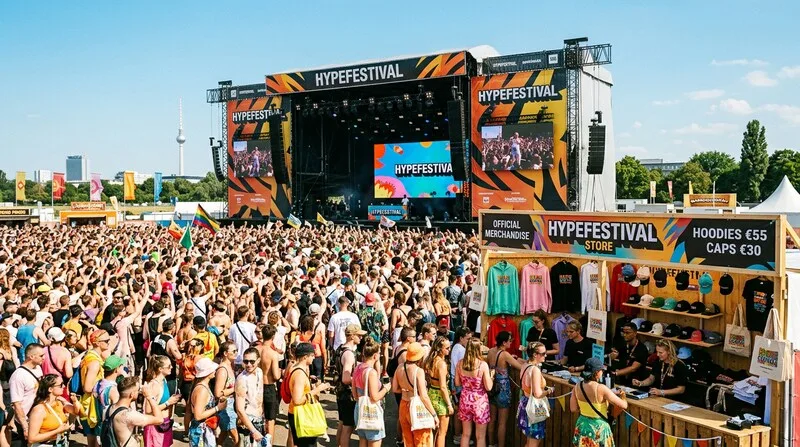



Trade shows remain the most efficient B2B meeting mechanism available. Unlike any digital channel, trade shows concentrate thousands of qualified buyers in one physical space for two to three days, creating meeting-generation efficiency that no digital channel can replicate. For complex B2B products, face-to-face trust building is still a decisive factor in purchase decisions — and trade shows compress the trust-building timeline dramatically.
Pre-show strategy determines trade show ROI more than any booth investment: identify target accounts attending (most trade shows publish attendee lists or LinkedIn targeting by event), book meetings 3-4 weeks in advance using personalized outreach (a pre-booked meeting list of 30-40 qualified prospects transforms a booth from passive to active), prepare specific conversation frameworks for different buyer stages (awareness vs. late-stage), and brief your team on qualification criteria so time is not wasted on poor-fit leads.
Booth design principles for maximum engagement: activity-based engagement (demos, simulations, interactive elements) outperforms passive display booths by 3x on conversation volume. Position demos to be visible from the aisle to create curiosity. Meeting area should be separated from the main booth flow for confidential conversation. Avoid overstaffing (visitors avoid crowded booths).
Lead qualification and follow-up: the biggest trade show mistake is collecting hundreds of business cards and doing nothing with them for two weeks. Within 24 hours after each day, sort leads into tiers (hot/warm/cold), send personalized same-day or next-morning follow-ups to hot leads, and enter all contacts into CRM with conversation context. The half-life of a trade show lead is short: contacts forget you within 48-72 hours without follow-up.